Steel Stairs Sydney - Commercial & Industrial Fabrication and Installation
Sydney Steel Stairs has been fabricating and installing steel stair systems for commercial and industrial clients across Sydney and Australia for over 20 years. Builders, project managers, and architects trust us for custom steel stairs that are measured, drawn, and built to match exact site conditions, not adapted from a standard template.
Every project follows a clear process from site measure through to CAD drawing, client approval, fabrication, and installation. Technical drawings are produced before any steel is cut, giving clients the chance to review dimensions and request changes without affecting budget. All fabrication and installation work meets AS 1657-2013 and the National Construction Code.
Steel Stair Fabrication & Installation Solutions for Every Build Type
Our services cover the complete range of steel stair needs, from architectural custom staircase design through to heavy-duty industrial stair fabrication and compliant fire egress systems.
Finish selection affects how a steel staircase performs over time. Powder coating is often used for internal applications where colour matching and surface consistency matter, while epoxy enamel suits controlled environments. Hot-dip galvanising is chosen where long-term corrosion resistance is required, especially outdoors.
Hot-dip galvanising is applied after fabrication, allowing molten zinc to coat internal and external surfaces, including welded joints. This process protects areas that painted systems cannot reach, which is critical for outdoor metal stairs exposed to moisture, salt air, and changing Sydney weather conditions.
Fire escape stairs must meet strict dimensional and structural rules under AS 1657-2013 and the NCC, including tread spacing, load capacity, and safe access points. Compliance at fabrication stage supports smoother DA approvals and avoids delays during certification or final inspection. Early coordination helps catch issues before installation.
Builders and contractors often order separate components for staged builds or replacements. Available items include treads, stringers, connection plates, balustrade sections, and landing frames. This supports stair fabrication projects where installation is managed independently or existing systems require modification.
All steel stair fabrication is done in-house, which means we control the timeline from drawing approval through to delivery. We select between Grade 250 and Grade 350 structural steel based on the load and span requirements of each individual project. Grade 350 is used where higher yield strength is needed, such as cantilevered designs or heavy industrial access stairs. CAD-based measured drawings are produced before fabrication begins on every job, reducing the chance of on-site fitting problems that are expensive to fix after steel has been cut and welded.
Certifications available on request for compliance submissions
Dimensions locked in before cutting, preventing costly on-site rework
Galvanised for outdoor, powder coat for indoor, epoxy for industrial
Scheduled around your build to avoid disrupting other trades
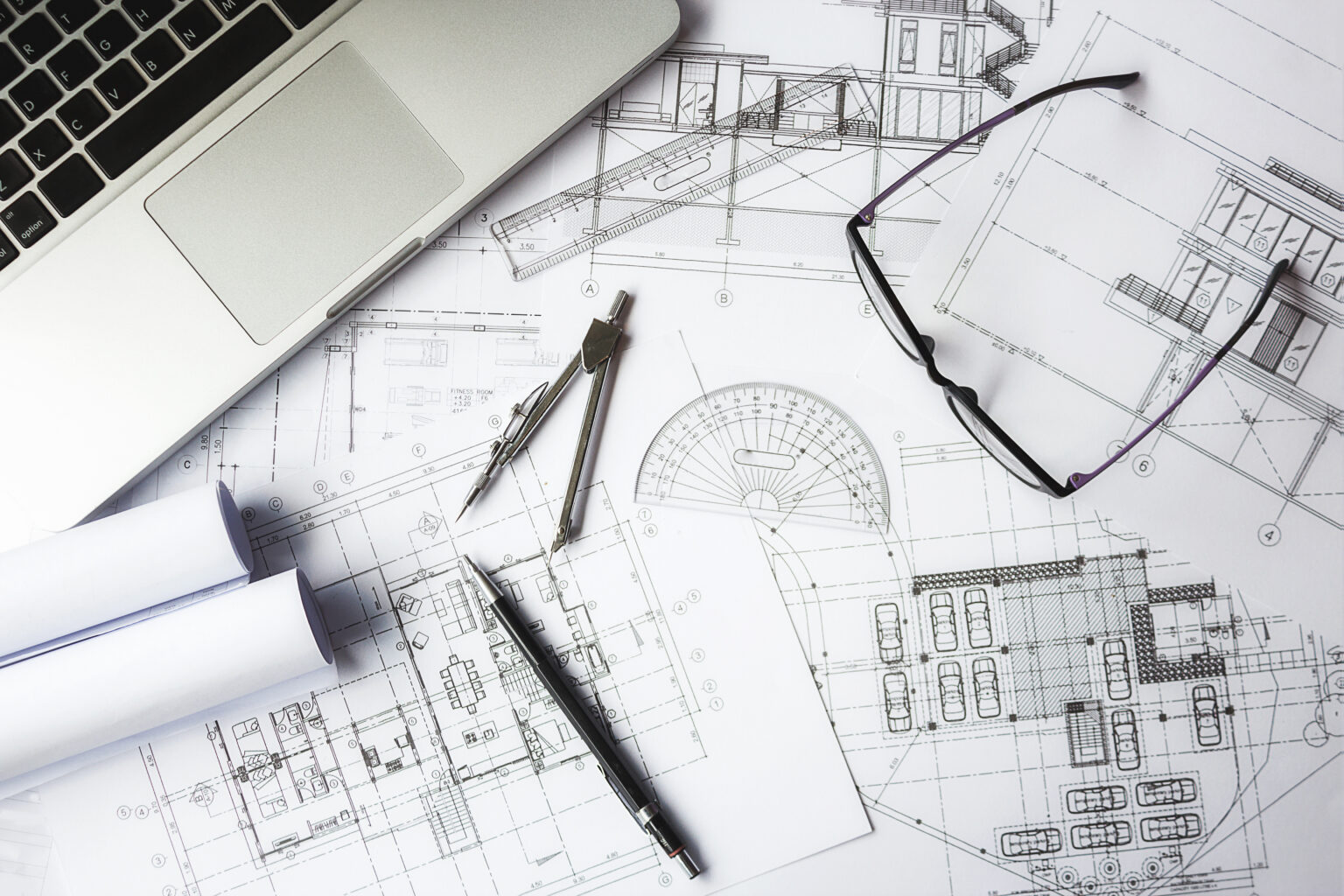
The early stages are where the most important decisions are made. We carry out a detailed site assessment, gather project requirements, and produce CAD drawings showing the full staircase in dimensional detail. Before fabrication starts, those drawings go to the client for review and written sign-off. This step matters because changes after steel has been cut and welded are both costly and time-consuming. Locking in the design at the drawing stage protects the project schedule and keeps costs predictable throughout the build.
Each project is divided into defined stages with a clear handoff between design, fabrication, and installation, so clients always know where their project stands and what comes next.
CAD drawings, site measurements, and engineer-ready calculations.
Grade chosen by load requirement, not applied as a blanket standard
Welds, dimensions, and finish inspected at the workshop before delivery
Built drawings and compliance records provided at project completion
Ready to Get Your Steel Stair Project Moving?
Contact our team to discuss your requirements or request a free quote. We’ll give you clear timelines and practical advice based on your build.
The trust and confidence we have established over the years are reflected in the genuine feedback and testimonials shared by our valued clients.
Callum Whitaker
★★★★★
Automotive Industry, QLD
“Excellent workmanship and attention to detail. Sydney Steel Stairs delivered a strong, durable staircase that fit perfectly with our site requirements. Professional team and reliable timelines.”
Chelsea Hughes
★★★★★
Storage Solutions Client, WA
“From design to installation, everything was smooth and well-managed. The quality of steel, finishing, and structural strength exceeded our expectations. Highly recommend Sydney Steel Stairs.”
Kate West
★★★★★
Industrial Supplier, SA
“Reliable, safety-focused, and extremely professional. The team delivered our project on time with top-quality materials and flawless installation. Truly a dependable steel stair specialist.”
Grade 250 is standard structural steel used for most residential and commercial stair applications. Grade 350 has higher yield strength and is selected for heavier loads, longer spans, or industrial environments where additional structural capacity is required.
Yes, CAD drawings are produced for every project and can be formatted for DA submissions, certification, and structural engineer review. These drawings are included in the design stage and detail dimensions, connections, and compliance requirements.
Lead times depend on project size, complexity, and current workshop workload. For standard commercial projects, fabrication typically takes a few weeks after approval. Contacting directly allows a more accurate timeframe based on scheduling.
Yes, CAD-based design allows stair geometry to be adjusted for irregular layouts, split levels, or confined spaces. This approach is commonly used in warehouse mezzanines and heritage upgrades where standard stair layouts are not suitable.