
Modern Australian architecture increasingly incorporates steel staircases because they combine structural strength with contemporary design. Across residential homes, commercial buildings, and industrial facilities, steel stairs Australia projects are becoming a common choice for architects and builders who want durable and visually striking circulation systems.
Demand for architectural steel staircase design solutions has grown as property developers and homeowners seek customised features that complement modern interiors and open-plan layouts. Industry professionals consistently note that properly engineered stair systems require careful planning, precise fabrication, and compliant installation.
What Are Steel Staircases?
Steel staircases are structural stair systems primarily fabricated from steel components engineered to carry vertical loads safely within a building. While designs vary widely, most systems share several essential structural elements:
- Stringers: structural beams that support the stair structure
- Treads: horizontal surfaces where users step
- Risers: vertical elements between treads (optional in open designs)
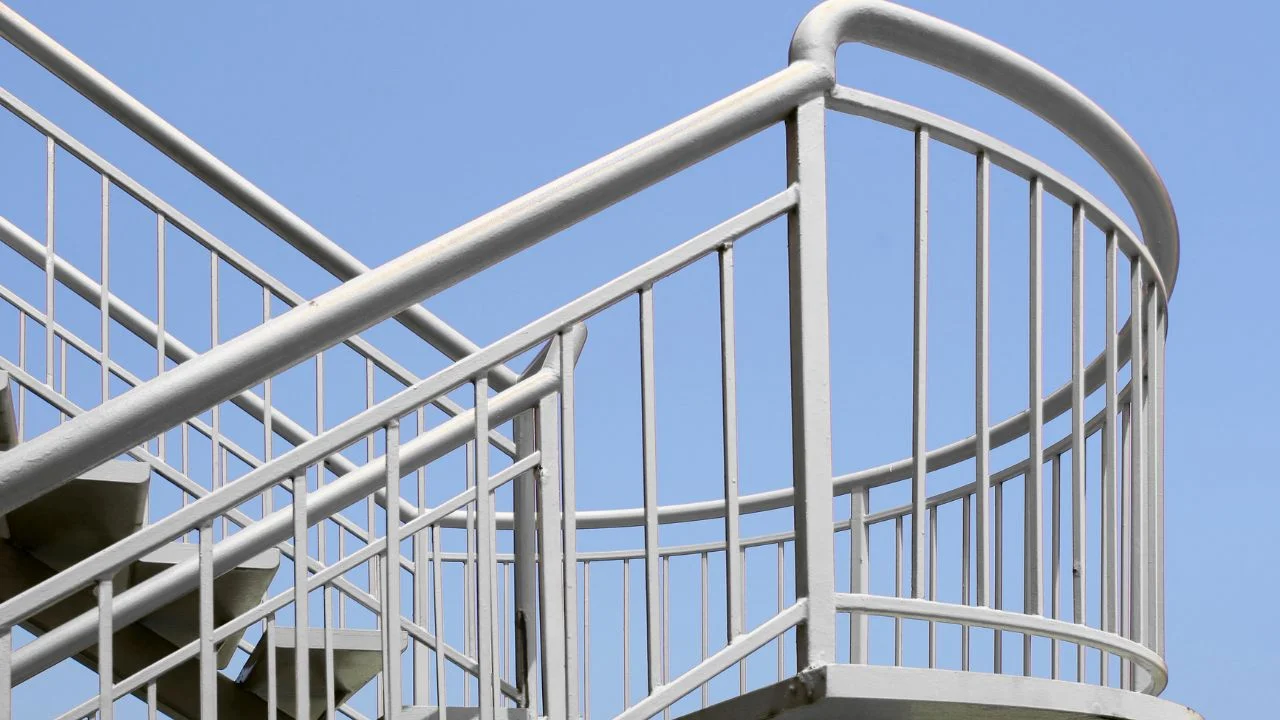
- Balustrades and handrails: safety components preventing falls
Unlike timber stairs, steel systems rely on welded or bolted metal frameworks capable of supporting heavy loads with minimal structural deformation.
According to the Australian Steel Institute, steel structural components are widely used in modern buildings because of their predictable strength properties and engineering reliability.
Why Steel Stairs Are Popular in Modern Construction
Modern architecture increasingly emphasises open spaces, structural clarity, and minimal visual obstruction. This trend has contributed to the growing popularity of modern steel staircases in Australian residential and commercial construction.
Architects often use steel structures to achieve sleek and lightweight stair systems that would be difficult to replicate with traditional materials. Steel’s structural efficiency allows designers to create open riser stairs, floating staircases, and spiral configurations without sacrificing safety or load capacity. Australian Steel Institute notes that structural steel enables “architectural freedom while maintaining strict structural performance requirements”.
Several factors explain the increasing adoption of architectural staircase design using steel:
- Ability to support longer spans and cantilevered structures
- Compatibility with modern materials such as glass and engineered timber
- Suitability for both indoor and outdoor environments
- Ease of prefabrication and installation
Across Australia, developers increasingly integrate steel staircases into apartments, office buildings, retail spaces, and custom homes. The material’s strength and design versatility allow stair systems to function both as structural infrastructure and as architectural focal points.
Benefits of Steel Staircases
Strength and Long-Term Structural Performance
One of the primary benefits of steel staircases is their exceptional structural strength. Steel components can support substantial loads while maintaining dimensional stability over time.
Australian Steel Institute confirms that structural steel provides consistent strength properties and high load-bearing capacity when properly designed and fabricated.
Design Flexibility and Customisation Options
Steel is highly adaptable during fabrication, allowing designers to create unique stair shapes, open structures, and custom railings.
Professional fabricators can produce:
- Straight stair systems
- Cantilevered staircases
- Spiral designs
- Hybrid systems combining steel with glass or timber
This design flexibility is a key reason custom steel stairs are widely used in contemporary architecture.
Low Maintenance and Long Lifespan
When finished with protective coatings such as powder coating or galvanisation, steel stairs require minimal ongoing maintenance.
Fire Resistance and Structural Safety
Steel performs well in controlled fire-resistant building designs when integrated with compliant fire protection systems. The National Construction Code outlines fire performance requirements for building elements, including stair systems used for evacuation routes.
Sustainability and Recyclability
Steel is one of the most recyclable building materials globally. According to sustainability data from the World Steel Association, structural steel is frequently recycled without losing its mechanical properties.
This makes steel stair durability and sustainability important considerations for environmentally conscious building projects.
Types of Steel Stairs Used in Australia
Steel stairs are used across a wide range of building types in Australia, with designs tailored to specific structural and architectural requirements.
Residential Steel Staircases
Residential steel stairs are commonly used in modern homes, duplex developments, and renovation projects.
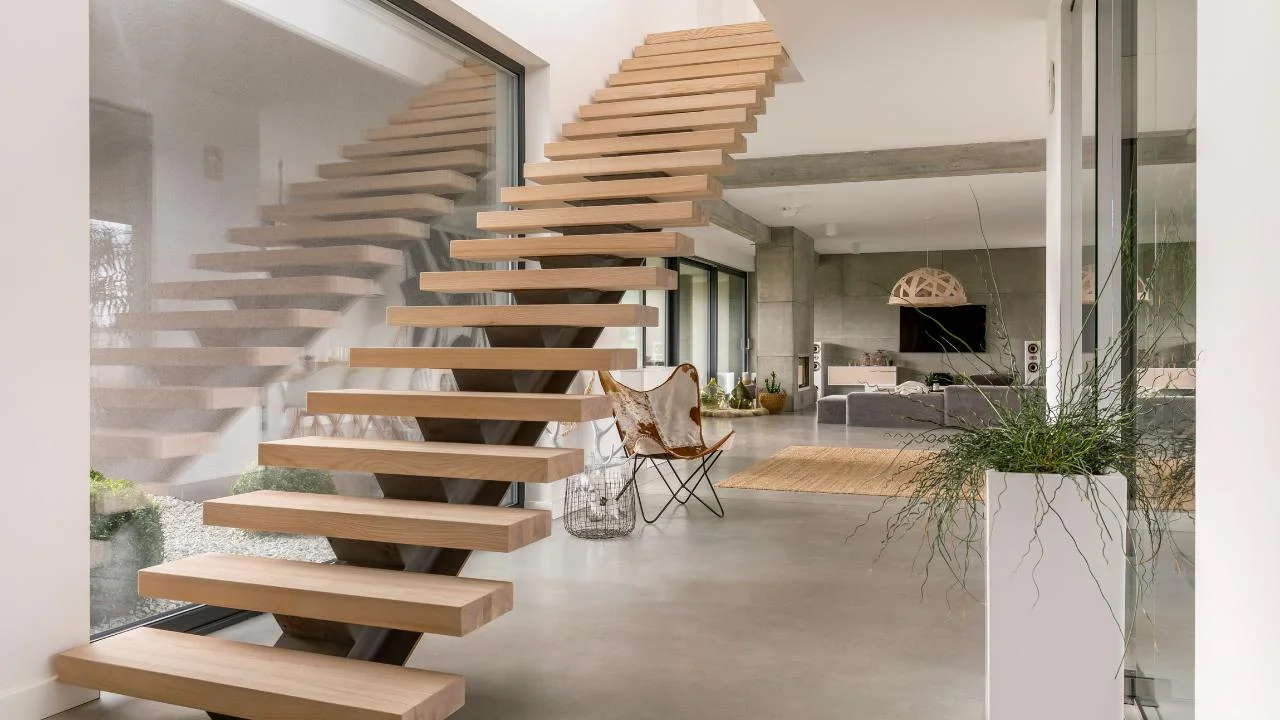
Architects often combine steel frames with materials such as timber treads or glass balustrades to create visually striking staircases that complement contemporary interior design. These staircases frequently appear in open-plan homes where stair structures serve as architectural features.
Commercial Steel Staircases
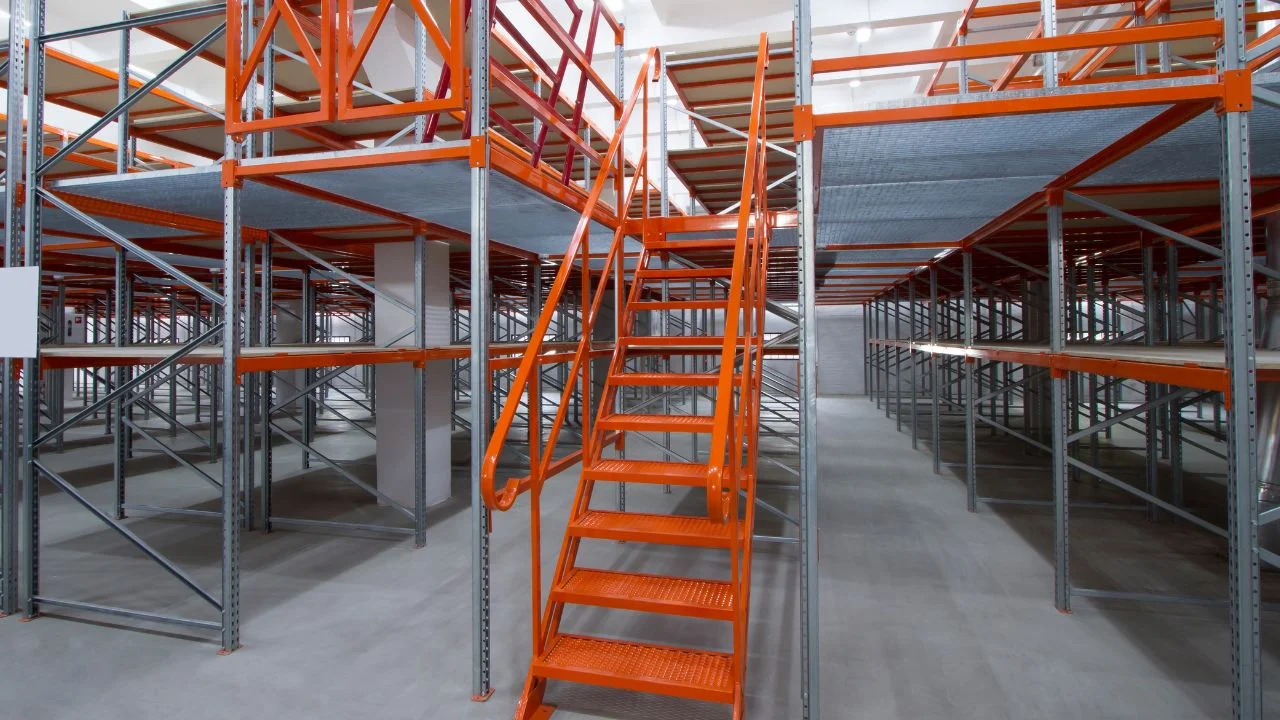
Commercial steel stairs are widely installed in office buildings, shopping centres, warehouses, and public facilities. These stair systems must comply with strict safety regulations covering load capacity, handrails, tread dimensions, and emergency access requirements.
Safe Work Australia emphasise the importance of compliant stair systems in workplaces to reduce fall hazards and ensure safe movement between levels.
Spiral Steel Staircases
A spiral steel staircase is a compact design where treads rotate around a central column. This configuration is ideal for limited floor space, making it popular in loft apartments and smaller residential interiors. Spiral stairs are also commonly used as secondary access stairs or architectural features.
Floating Steel Staircases
Floating stairs create the illusion that treads are suspended without visible support. These staircases typically use concealed steel stringers embedded into walls or hidden within the stair structure. Such steel staircase design approaches are frequently used in luxury residential projects where architectural aesthetics are prioritised.
Industrial and Fire Escape Steel Stairs
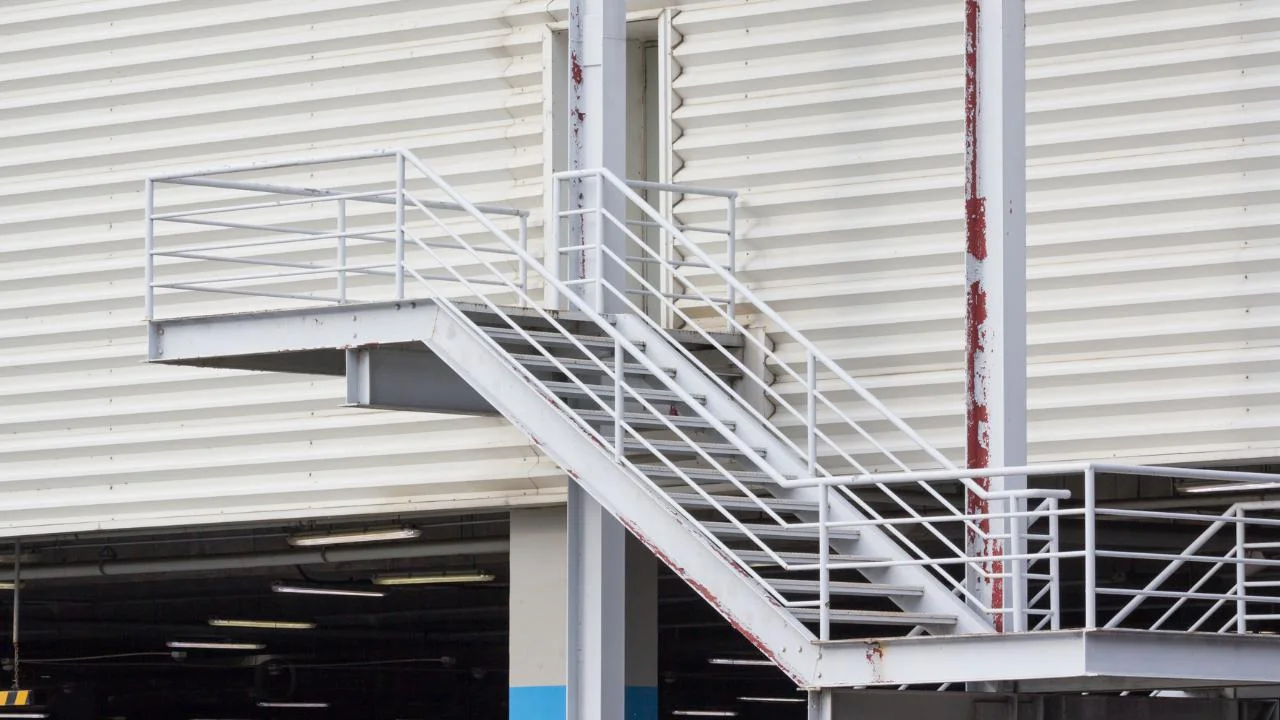
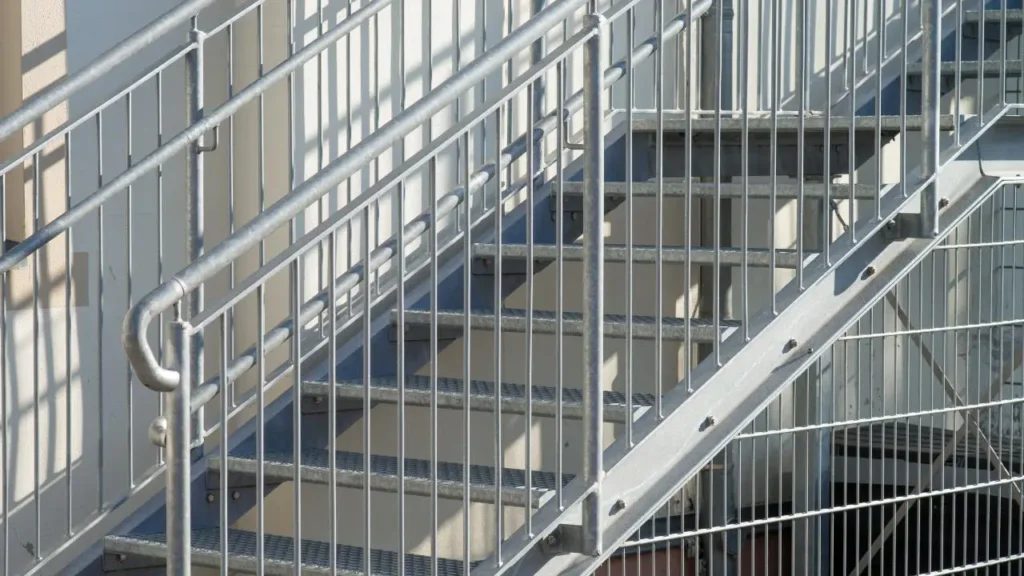
Industrial facilities often require heavy-duty steel stair systems capable of supporting high traffic and harsh environmental conditions. External fire escape stairs are commonly fabricated from galvanised steel to resist corrosion and comply with building safety regulations.
According to SafeWork NSW, properly designed stair access systems significantly reduce workplace injuries caused by slips and falls.
Steel Staircase Design Considerations
Architectural and Space Planning Factors
A successful steel staircase design begins with detailed planning of the available space and intended traffic flow. Architects must evaluate ceiling height, stair width, landing requirements, and the visual relationship between the staircase and surrounding interior spaces.
Staircases often act as both circulation routes and architectural focal points.
Materials Used Alongside Steel
Steel stair structures are frequently combined with other materials to enhance aesthetics and functionality.
Common combinations include:
- Steel frames with timber treads
- Steel structures with glass balustrades
- Steel and concrete hybrid stairs
- Steel staircases with stone or engineered surfaces
These combinations allow architects to achieve distinctive visual styles while maintaining structural strength.
Indoor vs. Outdoor Steel Staircases
Outdoor steel stairs must withstand exposure to rain, humidity, and coastal environments common in many Australian regions.
Industry recommendations suggest using protective finishes such as:
- Hot-dip galvanisation
- Powder coating
- Industrial paint systems
These treatments significantly reduce corrosion risk and extend the service life of outdoor steel stair systems.
Safety and Compliance Standards in Australia
All staircases installed in Australian buildings must comply with strict safety requirements. Understanding stair safety is an important part of any stair project, covering practical steps to reduce falls and remain compliant with current regulations.
Guidelines from the Australian Building Codes Board (ABCB) outline design requirements for stair geometry, including tread depth, riser height, and handrail positioning.
Compliance with these standards ensures that steel staircase installation meets structural and safety requirements across residential and commercial projects.
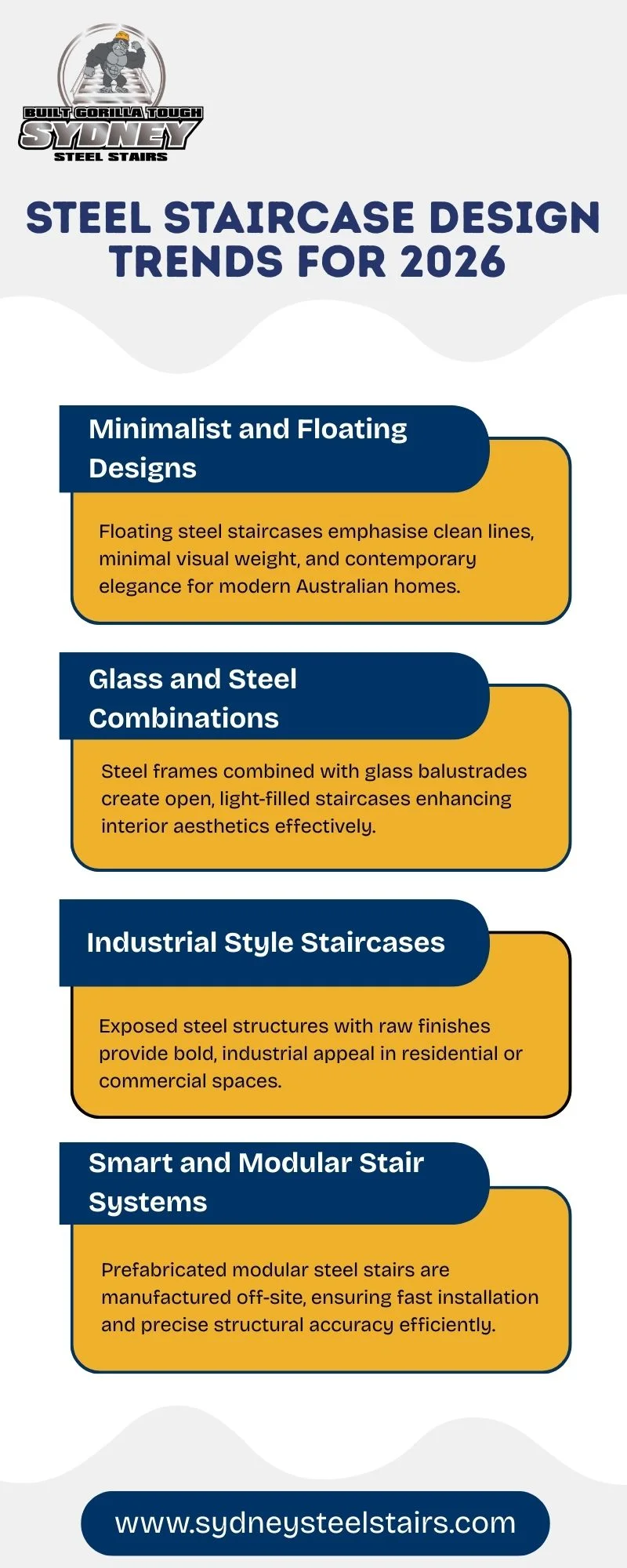
Steel Staircase Design Trends for 2026
Steel Staircase Installation: Step-by-Step Overview
The steel staircase installation process must follow strict structural and safety standards to ensure the staircase performs reliably over time.
Site Assessment, Measurement and Structural Preparation
Before installation begins, contractors assess the building structure and confirm measurements.
This stage ensures that the staircase design aligns with floor openings, wall supports, and load-bearing elements.
Frame Positioning and Structural Anchoring
The main steel frame is carefully positioned and secured to the building structure.
Installers use heavy-duty anchor bolts or structural connections to ensure the staircase remains stable under load.
The National Construction Code emphasises that structural elements must be installed according to engineered specifications.
Installing Treads, Railings and Balustrades
Once the main frame is secure, installers attach the stair treads, handrails, and balustrades.
Depending on the design, treads may be made from timber, steel plates, glass panels, or composite materials.
Compliance Inspection and Final Safety Adjustments
The final stage of steel stair installation in Australian projects involves inspection to confirm compliance with building codes.
Regulatory guidance from the Australian Building Codes Board states that staircases must meet requirements for:
- Tread depth
- Riser height
- Handrail placement
- Load capacity
Proper inspection ensures the staircase is safe and compliant before the building becomes operational.
Commercial Steel Stairs vs. Residential Steel Stairs
| Aspect | Commercial Steel Stairs | Residential Steel Stairs |
| Load Capacity | Designed for high foot traffic and heavier loads | Designed for normal household use |
| Building Codes | Stricter safety and structural compliance requirements | Standard residential building code requirements |
| Design Focus | Functionality, durability, and safety | Aesthetics and architectural style |
| Safety Features | Wider treads, reinforced railings, slip-resistant surfaces | Standard handrails and safety features |
| Common Use | Offices, warehouses, factories, and commercial buildings | Houses, apartments, residential renovations |
Although both commercial steel stairs and residential steel stairs use similar materials, they are designed for different usage environments. Commercial stair systems must handle greater foot traffic and comply with stricter workplace and evacuation safety standards. Residential staircases, on the other hand, are often designed to complement interior architecture while still meeting building code safety requirements.
Key Factors to Consider Before Installing Steel Stairs
Installing steel stairs requires careful planning to ensure safety, functionality, and long-term durability.
Space Availability and Layout Planning
Architects must assess floor area, ceiling height, and building layout before selecting a staircase configuration. Different designs, such as straight, spiral, or floating stairs, suit different spatial conditions.
Australian Building Codes and Compliance
All stair systems must comply with requirements outlined in the National Construction Code and associated Australian standards. These rules regulate tread dimensions, handrail placement, and structural performance.
Budget and Total Fabrication Costs
Project budgets should account for engineering design, steel stair fabrication, finishing treatments, and professional installation. Costs vary significantly depending on the level of customisation.
Safety, Accessibility and Future Maintenance
Safety remains the most important consideration when installing stair systems. Professional installers ensure that steel staircase installation meets regulatory requirements while providing safe access for building occupants.
Conclusion
As modern architecture evolves, steel staircases continue to play an important role in both structural performance and architectural design. Their strength, versatility, and durability make them suitable for residential homes, commercial buildings, and industrial facilities across Australia. From custom steel stairs in modern homes to heavy-duty commercial steel stairs, steel offers unmatched flexibility for architects and builders.
However, achieving a safe and long-lasting staircase requires expert steel stair fabrication and professional steel staircase installation that complies with the National Construction Code. Ready to transform your space with high-quality steel stairs? Contact Sydney Steel Stairs today for a free consultation and custom design quote.
FAQs
What materials can be combined with steel staircases?
Steel staircases are often combined with materials such as timber treads, glass balustrades, or stone steps. These combinations enhance visual appeal while maintaining the structural strength of the steel framework.
How long does it take to fabricate a steel staircase?
The fabrication time for custom steel stairs usually depends on the complexity of the design. Standard designs may take a few weeks, while fully customised staircases may require additional engineering and fabrication time.
Are steel staircases suitable for small spaces?
Yes, designs such as spiral steel staircases and compact floating stairs are ideal for smaller interiors. These configurations minimise floor space usage while still providing safe and durable access between levels.
Can steel staircases support heavy loads?
Steel has a high strength-to-weight ratio, making commercial steel stairs capable of supporting substantial loads. This is why steel stairs are frequently used in offices, warehouses, and industrial buildings.
Can steel staircases be installed in renovation projects?
Yes, steel staircase installation is common in renovation projects because steel structures can often be prefabricated and installed with minimal structural changes to the building.