
You have sourced your galvanised staircase, the delivery lands on site, and within six months the galvanising is already showing white rust at the weld zones. Or worse, your prefabricated steel stairs arrive with stringer geometry that does not reconcile with the architect’s finished floor level, and you are eating the variation cost.
These are not hypothetical scenarios. They are the two most common failure points in steel stair procurement, and both are entirely preventable with tighter specifications upstream. This guide is written for contractors, structural fabricators, and procurement teams in commercial and industrial construction. You will get real specification frameworks, coating thickness benchmarks that hold up in corrosive environments, and the precise questions to ask prefabricated steel stair manufacturers before you place a purchase order.
What Are Galvanised Steel Stairs and Why Do Specifications Matter?
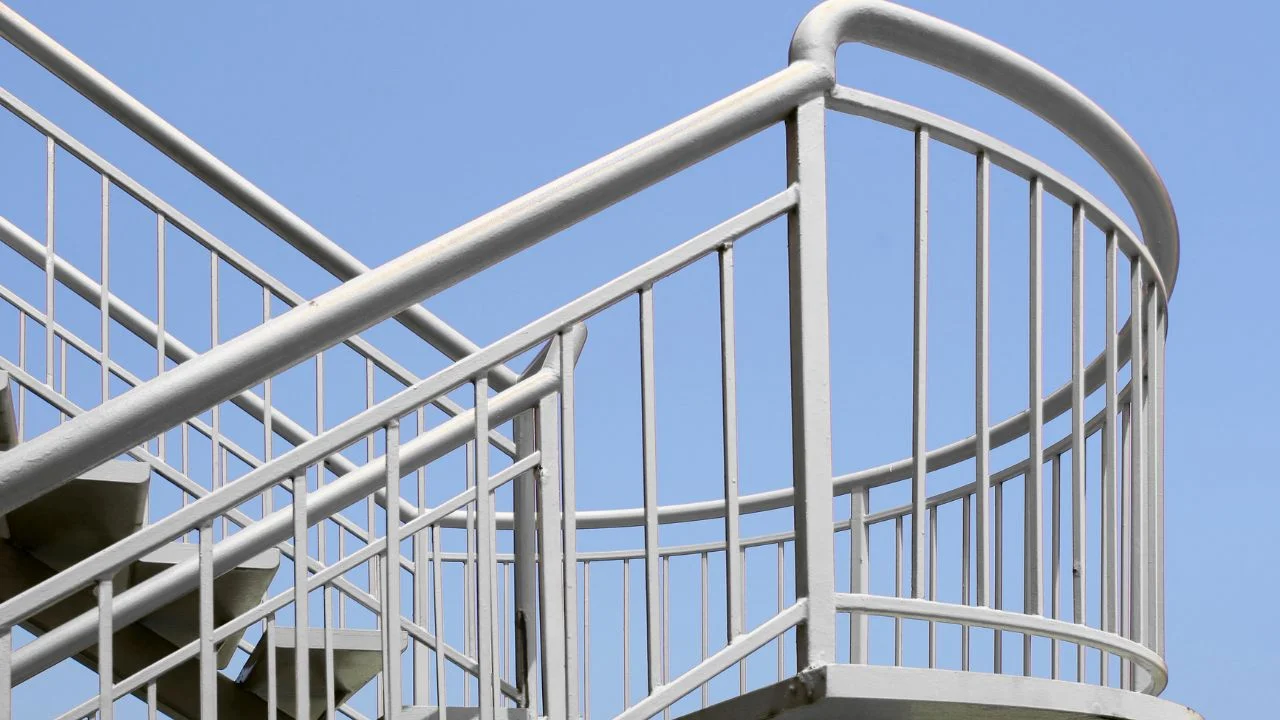
Galvanised steel stairs are structural stair assemblies comprising steel stair stringers, treads, risers, and balustrade connection points that have been coated through a hot dip galvanising process to prevent corrosion. The zinc coating bonds metallurgically to the base steel, providing sacrificial protection lasting 40 to 70 years in low corrosion environments and 15 to 30 years in coastal or industrial settings.
For contractors, the key specification variables are zinc coating thickness relative to the exposure environment, substrate steel grade (typically S275 or S355 in UK and Australian markets), stringer configuration and its integration with the floor structure, tread type and load rating, and whether prefabricated or bespoke fabrication is appropriate.
Understanding Hot Dip Galvanising for Structural Stairs
Unlike paint systems or cold galvanising spray, hot dip galvanising creates a series of zinc-iron alloy layers beneath the outer pure zinc surface. It is not a coating sitting on top of the steel. It is chemically integrated into it. The practical consequence is that a correctly galvanised surface cannot be delaminated through impact or flexion, the way a paint system can be stripped.
For external steel stairs in high footfall environments, this distinction matters considerably. Painted stairs in exposed locations routinely need recoating every five to seven years. Hot-dip galvanised metal stairs, when specified correctly, may not need any maintenance for 25 or more years in moderate environments.
Most specifications reference coating thickness without anchoring it to a relevant standard. Under ISO 1461 and EN ISO 1461, the minimum average coating for articles greater than 6mm thick is 85 µm, with a local minimum of 70 µm. The AS/NZS 4680 standard for the Australian and New Zealand market requires the same 85 µm average.
When specifying a galvanised staircase for coastal environments within 1 kilometre of breaking surf or tidal zones, consider specifying a duplex system combining hot dip galvanising with a powder coat or two-pack epoxy topcoat. The two systems combined can extend service life by a factor of 1.5 to 2.3 times compared to galvanising alone, according to corrosion performance modelling published by the Galvanisers Association of Australia.
The Weld Zone Problem and How to Prevent It
Heat-affected zones around welds have altered grain structure, and flux residues from welding can inhibit proper galvanising adhesion if pre-treatment acid pickling is insufficient. The fix is procedural: specify that fabrication must comply with ISO 14713-2, which covers design recommendations for galvanising. This requires fabricators to vent all hollow sections to prevent steam build-up in the galvanising bath, remove all weld spatter before pre treatment, and use low-silicon steel to avoid the Sandelin effect, which causes excessively thick and brittle coatings. If your supplier cannot reference ISO 14713-2 compliance, treat it as a disqualifying red flag.
Prefabricated Steel Stairs vs Site Fabricated: Making the Right Call
The assumption that bespoke site-fabricated stairs offer more control is understandable but frequently wrong. For standard commercial applications, bespoke fabrication introduces more variables, not fewer.
For a two-flight, 180-degree turn staircase in a commercial fitout, prefabricated steel stairs typically deliver lead times of three to six weeks from modular stock versus eight to fourteen weeks for bespoke fabrication. Factory CNC production achieves dimensional accuracy of plus or minus one to two millimetres compared to plus or minus three to six millimetres under site conditions. Galvanising quality under controlled bath conditions is more consistent than work dependent on a subcontractor’s bath management. Indicative cost savings run 15 to 35 per cent over bespoke.
That said, prefabricated systems require accurate site survey data before ordering. The leading cause of prefab stair misfit is inaccurate floor-to-floor height measurements or failure to account for finished floor level versus structural slab level. Ordering from prefabricated steel stairs manufacturers using nominal heights from drawings rather than confirmed site measurements is a reliable path to expensive rework.
Avoid prefabricated options when non-standard geometry is required, including curved or helical stairs, or where the rake angle falls outside the 30 to 38 degree range standard in most modular systems. Also, avoid prefab when load requirements exceed standard commercial ratings, when building code demands specific fire ratings the system is not certified for, or when heritage and aesthetic constraints require custom fabrication.
Evaluating Prefabricated Steel Stair Manufacturers
Not all manufacturers are equivalent. When assessing suppliers, require documented evidence of NATA accredited (or equivalent) galvanising certification with traceable test reports showing actual coating thickness measurements, structural engineering sign off across the standard range, clear dimensional tolerance documentation, a weld inspection regime compliant with AS/NZS 2980 or equivalent, contractual lead time guarantees with penalties, actual test data for steel stair tread load ratings, and a site survey and measure service that transfers dimensional liability to the supplier.
Steel Stair Stringers: What You Actually Need to Specify
The stringer is the spine of the stair system. Errors here affect tread attachment, structural integrity, and floor integration across the entire assembly.
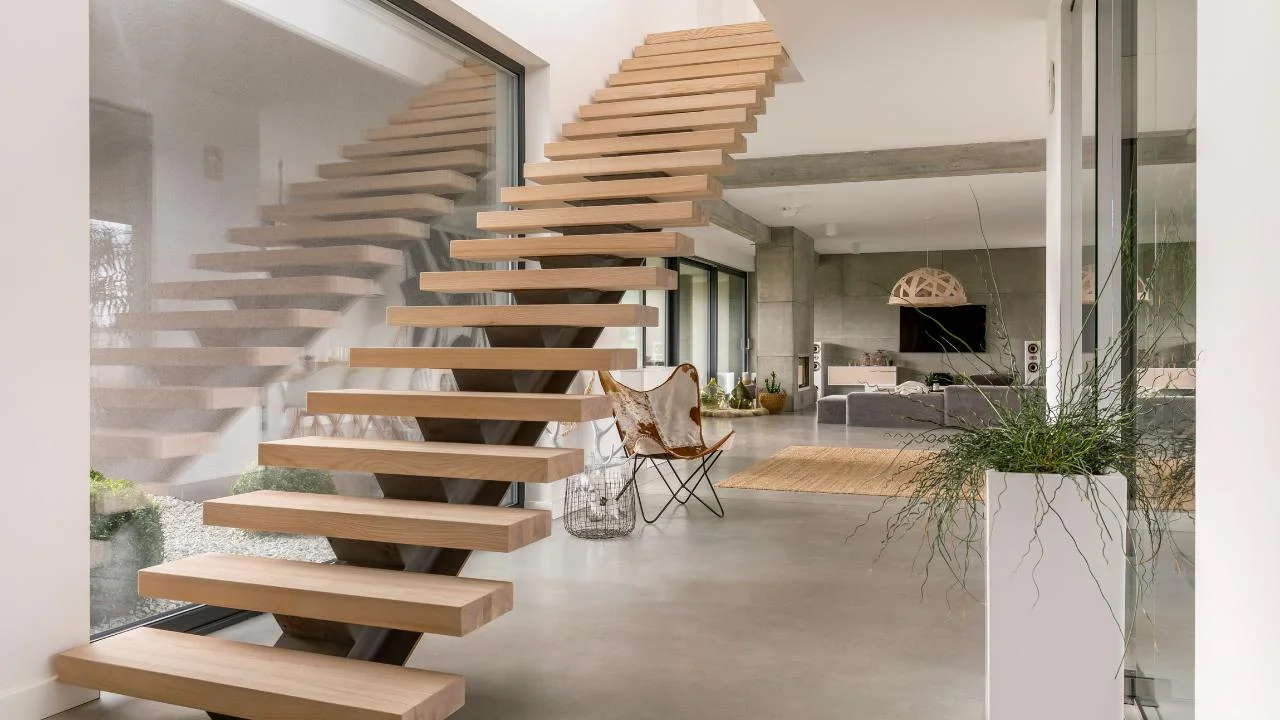
A mono stringer (central spine) runs along the centre line and allows treads to cantilever on both sides. It is structurally efficient and visually minimal, but requires careful torsional design and is unsuitable for stair widths greater than 1200mm without supplementary support. Paired stringers, one on each side, are the standard configuration for most commercial and external steel stairs and are more forgiving of width variation and load distribution. Closed stringers house treads within the profile, which improves debris exclusion for external applications but complicates tread replacement. Open stringers (saw tooth) allow treads to sit on top of notched or bracketed supports and are standard for most prefabricated steel stair stringers.
Structurally, the stringer depth to span ratio should not exceed 1:20 for service load deflection limits of L/360 for live load under most codes. Stringer to landing plate connections are frequently undersized and must transfer both vertical shear and the horizontal thrust component from the rake angle. For long external runs, thermal expansion must be accommodated: a six metre steel stringer expands approximately 0.7mm per 10 degrees Celsius of temperature change, requiring a slotted connection at one end.
Steel Stair Treads: Choosing the Right Surface
Open bar grating treads suit external industrial stairs and plant access where drainage is critical. They galvanise cleanly, carry load ratings of 2.5 to 5 kPa depending on bar spacing and span, and provide inherent anti-slip performance. Check local building code compliance for void size and heel trap risk on public access stairs.
Chequered plate (Durbar) suits commercial external stairs and loading docks. Anti-slip performance is adequate in dry conditions but marginal when wet with fine debris, so specify a nosing insert with additional grip profile for safety-critical applications. A minimum plate thickness of 5mm is required to achieve the correct coating on flat sections.
A solid plate with a nosing bar suits semi-exposed commercial applications. A solid plate is not inherently anti-slip, so surface treatment is mandatory. Practical options are grit blast plus epoxy grit coat for high-performance environments, welded serrated flat bar nosings for a maintenance-free solution, or press-formed anti-slip pattern for light commercial use.
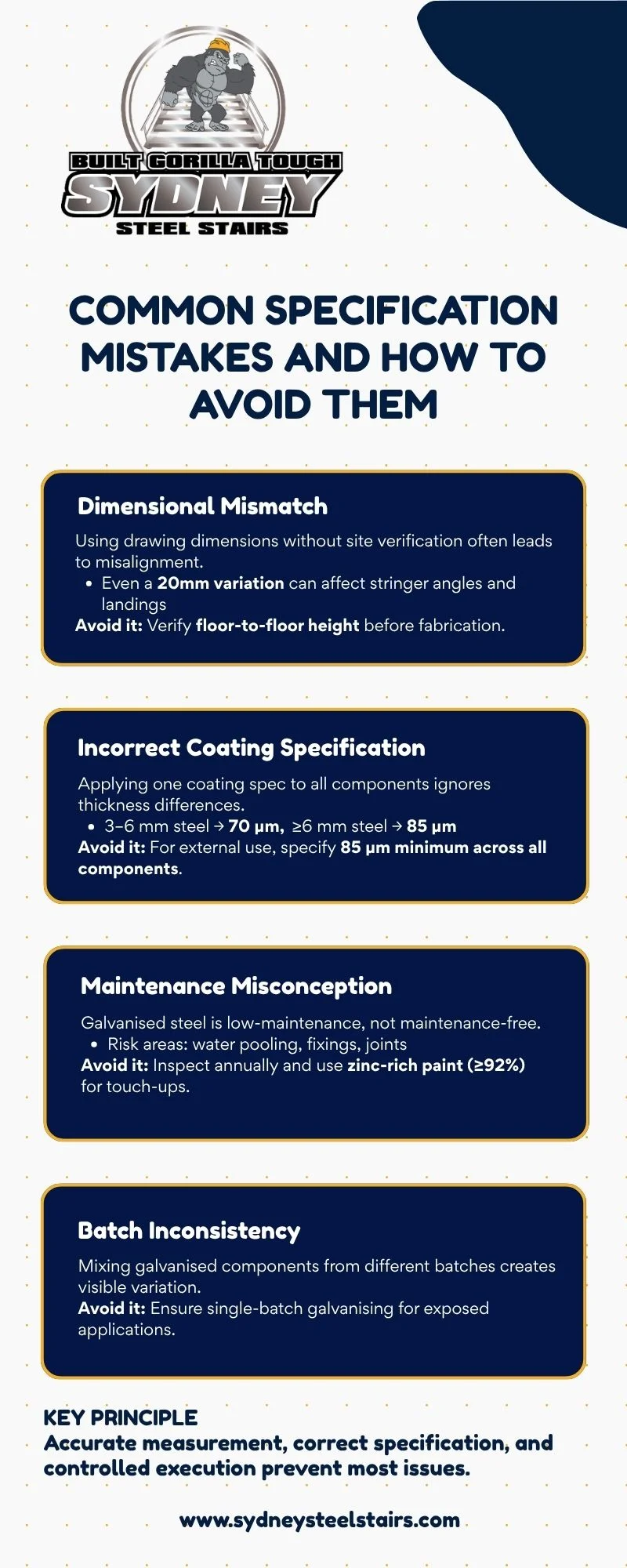
Common Specification Mistakes and How to Avoid Them
Actionable Takeaways
Verify floor-to-floor heights from site survey data before placing any prefabricated stair order. Specify ISO 1461 compliance with coating thickness called out by component, not a blanket reference to hot-dip galvanised. Require ISO 14713-2 from fabricators to eliminate weld zone failures. Specify a duplex system for coastal or industrial external steel stairs and calculate the life cycle cost recovery, typically within ten years. Isolate dissimilar metals at balustrade connections using neoprene washers. Evaluate prefabricated steel stair manufacturers on engineering certification quality, not price alone.
Ready to Specify? Talk to Sydney Steel Stairs
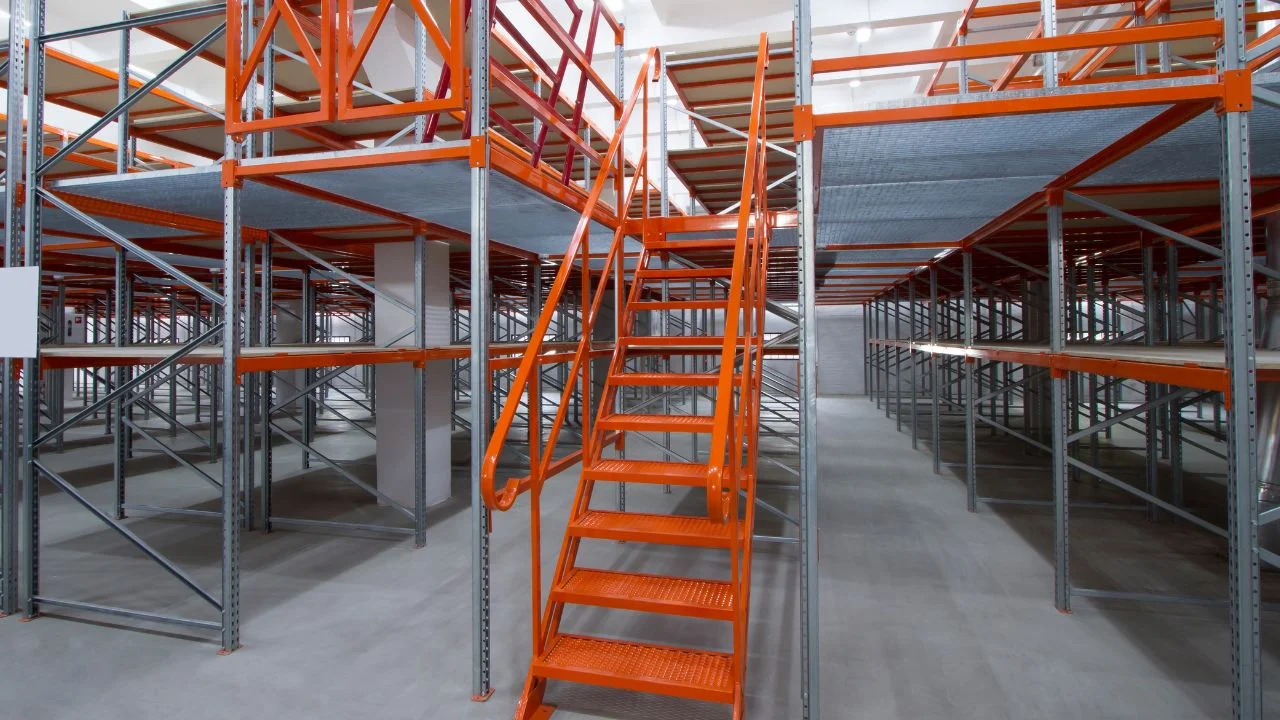
Sydney Steel Stairs supplies and fabricates galvanised steel stairs for commercial, industrial, and external applications across Sydney and New South Wales. Whether you are specifying prefabricated steel stair stringers for a commercial fitout, sourcing galvanised stair treads for an industrial mezzanine, or need a fully engineered external steel staircase to meet NCC 2022 requirements, the team works directly with contractors and fabricators to get the specification right before anything is manufactured. Every system is hot-dip galvanised to ISO 1461 and carries structural engineering certification. To request a quote or discuss your project requirements, visit Sydney Steel Stairs or call the team directly.
FAQs
What is the expected service life of hot-dip galvanised steel stairs externally?
In low corrosion environments (C1 to C2 under ISO 9223), an 85 µm coating provides 50 to 70 years of service. In moderate marine environments (C3 to C4), expect 20 to 40 years. In severe industrial or coastal environments (C5), 15 to 25 years before significant maintenance is required. A duplex system effectively doubles these estimates in C3 and above environments.
What live load should commercial external stairs be designed for?
Under NCC 2022 in Australia, public access stairs require a minimum design live load of 3.0 kPa uniformly distributed. Stairs serving assembly areas or high-density occupancy require 5.0 kPa. Always verify with a structural engineer, as the architect’s specification may not reflect actual occupancy loading.
Can galvanised stairs be modified on-site after galvanising?
Yes, with limitations. Any welding, grinding, or drilling after galvanising damages the zinc coating at the modification point. Post galvanise modifications must be treated with a zinc-rich cold galvanising compound at a minimum of 92 per cent metallic zinc in dry film. Extensive site modification of prefabricated components is a warranty risk and should be raised with the manufacturer before proceeding.
What is the difference between galvanised and zinc-plated steel stairs?
Hot dip galvanising deposits 45 to 200 µm of zinc through immersion in a molten zinc bath. Electroplating deposits only 5 to 25 µm through an electrolytic process. For structural stairs in exposed or external applications, electroplating is not an acceptable equivalent to hot-dip galvanising.