
Steel stair fabrication in Australia is more than cutting and welding metal. It is a precision-driven process that combines structural engineering, compliance with Australian standards, and experienced craftsmanship to deliver stairs that are safe, durable, and built for purpose. Whether you need stairs for a warehouse in Western Sydney, a multi-storey commercial building in Melbourne, or an industrial plant in Queensland, understanding how steel stairs are fabricated helps you make better decisions for your project.
This guide covers everything you need to know, including the fabrication process from start to finish, the materials involved, applicable Australian standards, typical costs, and how to choose the right fabricator.
What Is Steel Stair Fabrication?
Steel stair fabrication refers to the process of cutting, welding, designing and finishing steel stair systems in a controlled workshop environment before delivery and installation on-site. Unlike in-situ construction, workshop fabrication enables greater precision, faster on-site installation, and better quality control throughout the production process.
In Australia, steel stair fabrication ranges from standard off-the-shelf component supply to fully custom-engineered systems designed to specific site conditions, load requirements, and architectural briefs. The best project outcomes are consistently achieved when fabricators are engaged early in the design phase, allowing engineering and compliance requirements to be addressed before fabrication begins.
The Steel Stair Fabrication Process Step by Step
Design and Engineering
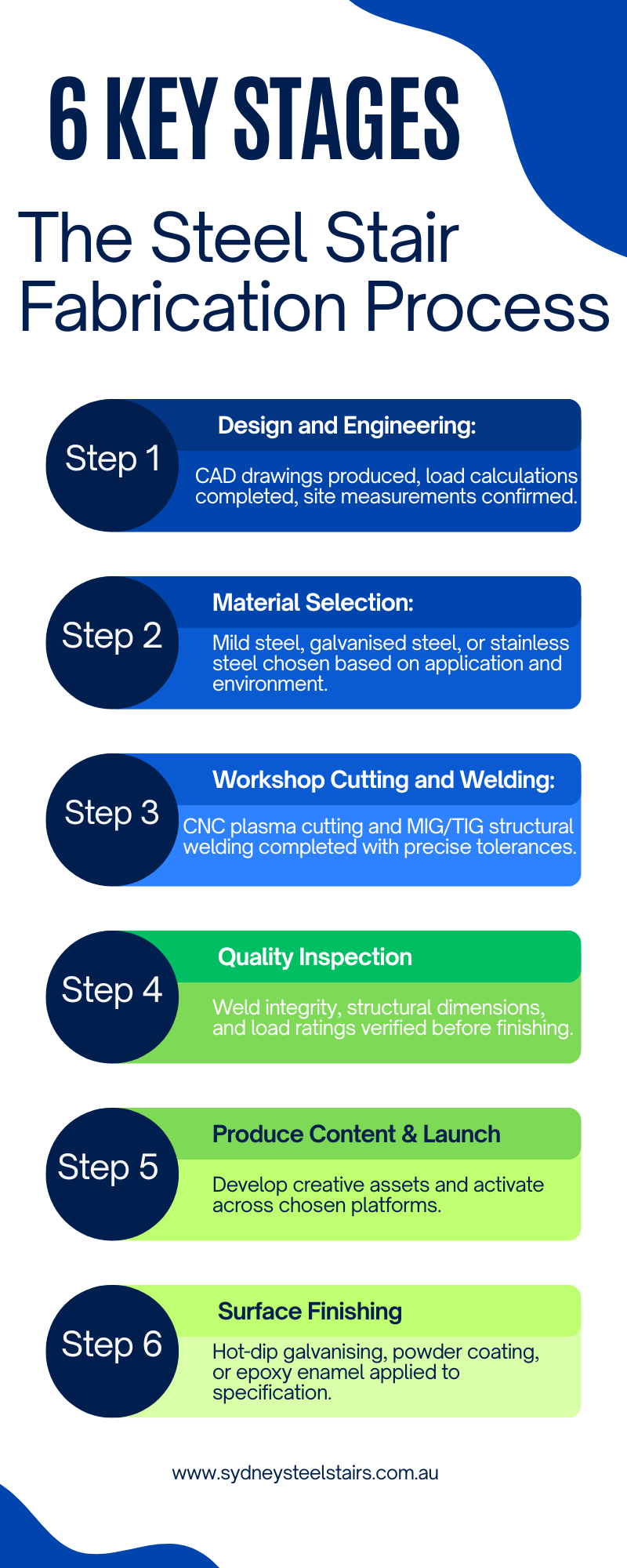
Every quality steel staircase starts with a detailed design phase. Fabricators use CAD software to produce precise drawings based on site measurements, load requirements, and architectural specifications. At this stage, engineers calculate tread dimensions, riser heights, stringer sizes, and connection details to ensure full compliance with AS 1657 and the NCC.
Material Selection
The choice of steel grade depends on the application and environment. Mild steel is the most widely used material in commercial and industrial fabrication due to its strength, weldability, and cost-effectiveness. For outdoor or coastal applications, galvanised or weathering steel is preferred. In highly corrosive environments such as chemical or food processing plants, stainless steel components may be incorporated into the structure.
Workshop Cutting and Welding
Once materials are procured, CNC plasma or laser cutting is used to produce components with exact dimensions. Stringers, treads, landing frames, and connection plates are cut, drilled, and prepared for assembly. Structural welding, typically using MIG welding, joins the components together, with weld quality inspected to engineering specifications at every stage of production.
Quality Inspection
Before finishing, completed stair assemblies are inspected for dimensional accuracy, weld integrity, and structural compliance. Reputable Australian fabricators conduct in-house quality checks and can provide full documentation to support certification or council approval processes where required by the project.
Surface Finishing
The final finish protects the steel from corrosion and defines the visual appearance of the staircase. The three most common finishes in Australian steel stair fabrication are hot-dip galvanising, which is best suited to outdoor and coastal environments, powder coating, which offers a wide colour range for commercial interiors and exteriors, and epoxy enamel, which is a hard-wearing paint system suited to industrial settings with chemical or moisture exposure.
Delivery and Installation
Because stairs are fabricated in a controlled workshop environment, on-site installation is significantly faster and cleaner. Components arrive pre-cut and pre-welded, ready for bolting into position. This reduces on-site welding requirements, minimises workplace disruption, and supports safer installation practices across commercial and industrial construction sites throughout Australia.
Australian Standards and Compliance
Steel stair fabrication in Australia is governed by mandatory standards and building codes that vary depending on the application and building type. The primary standard is AS 1657, which covers fixed platforms, walkways, stairways, and ladders used in industrial and commercial settings across the country.
For buildings subject to the National Construction Code, additional requirements around rise, going, headroom, balustrade height, and load capacity must also be met. It is critical to engage a fabricator who understands both the engineering requirements and the compliance obligations relevant to your specific project type and state jurisdiction.
For a full breakdown of Australian stair construction requirements, the Australian Building Codes Board (ABCB) at abcb.gov.au publishes the current NCC documentation, which outlines performance and deemed-to-satisfy provisions for stair design across all building classifications.
The Steel Stair Fabrication Process: 6 Key Stages
Steel Stair Fabrication Costs in Australia
The cost of steel stair fabrication in Australia varies based on stair type, size, number of flights, finish specification, and site complexity. As a general guide, basic industrial access stairs typically start from around $3,000 to $5,000 for a single flight, while complex custom commercial or fire escape systems can range from $15,000 to $50,000 or more, depending on the full scope of work.
Key cost drivers include the complexity of the engineering and design, the steel grade and surface finish selected, delivery distance from the fabrication workshop, and the level of certification or compliance documentation required by the project. Providing a detailed scope of work, including site drawings, load requirements, and finish preferences at the quoting stage, is the most effective way to receive an accurate and comparable price from any fabricator.
How to Choose a Steel Stair Fabricator in Australia
Experience and specialisation matter significantly. Look for fabricators with a proven track record in your specific application type, whether industrial, commercial, or fire escape. Fabricators who design and engineer in-house provide greater accountability and typically faster turnaround times compared to those who outsource their engineering.
Workshop location and lead times are also important. Locally fabricated stairs reduce freight costs and lead times, which is particularly valuable on time-sensitive construction projects. Ask about quality management processes and whether the fabricator can provide weld certificates or compliance documentation to support your project approval.
For further guidance on selecting qualified fabrication partners, Steel Construction Australia (SCA) provides industry resources and best practice guidance for specifiers and project managers working with structural steel in Australia.
Why Steel Remains the Material of Choice in Australia
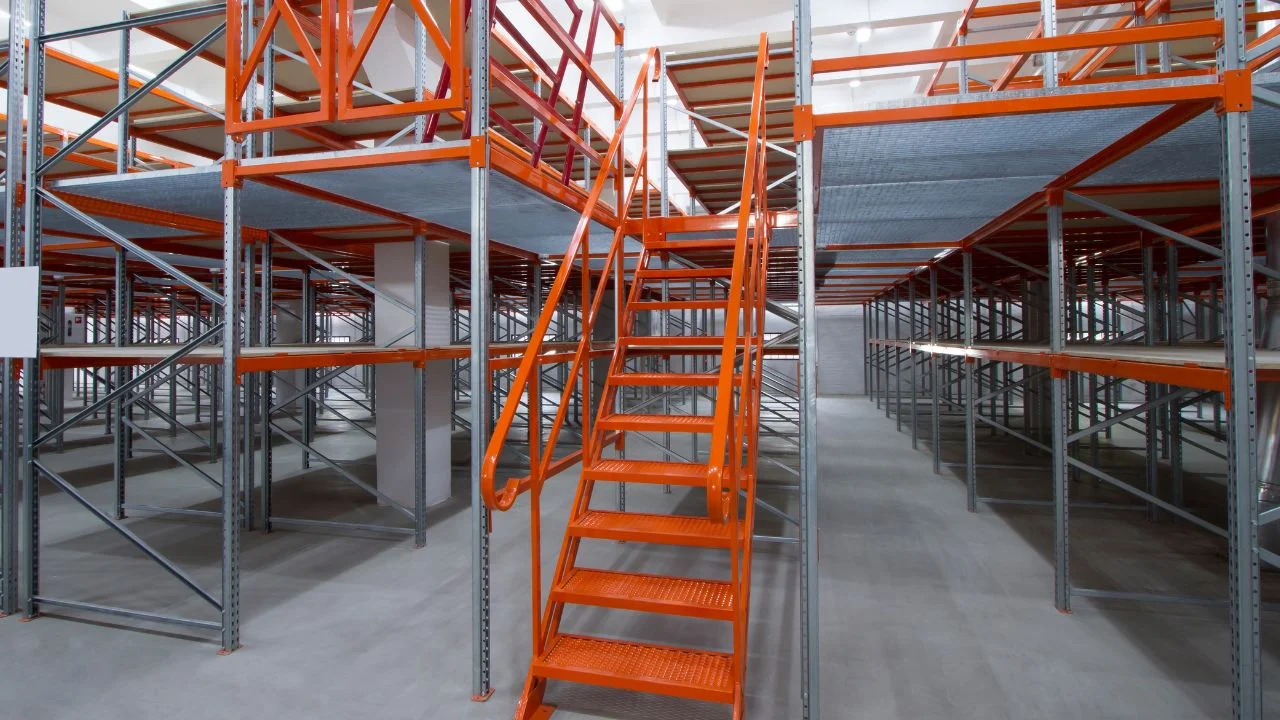
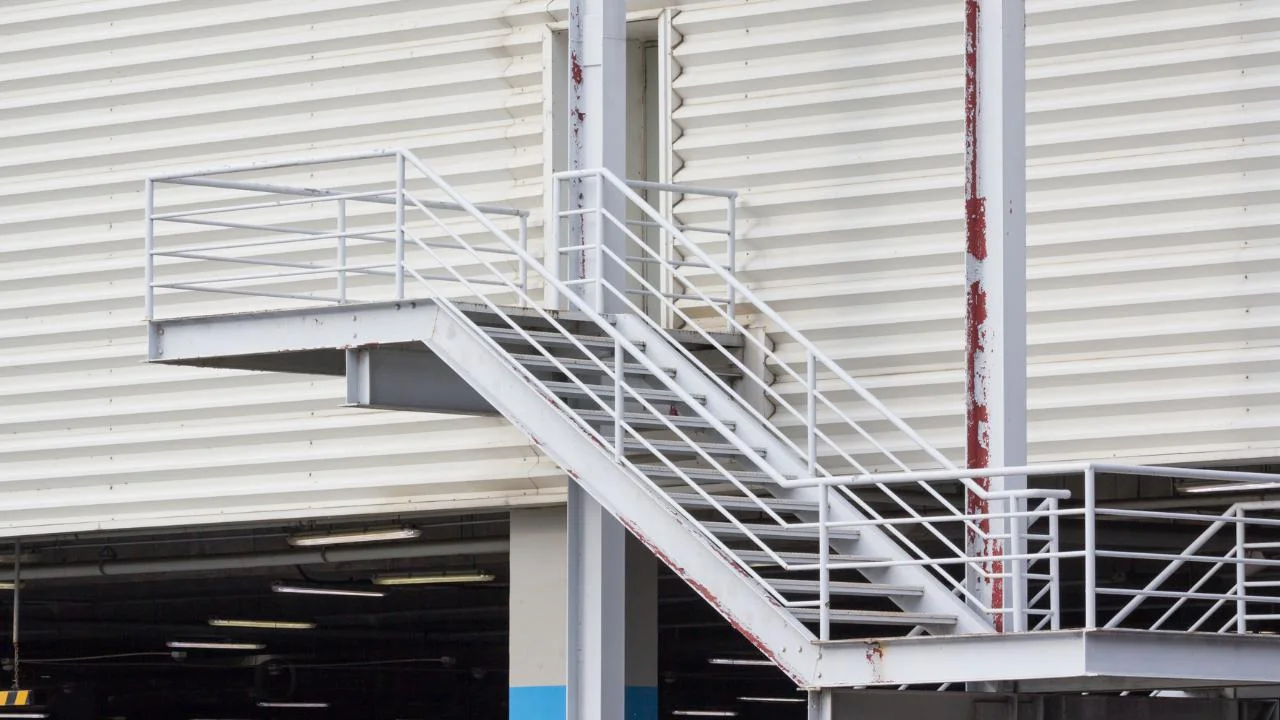
Steel has remained the dominant material for commercial and industrial stair fabrication in Australia for decades. Its high strength-to-weight ratio, ease of fabrication, recyclability, and compatibility with a wide range of protective finishes make it suitable for virtually every stair application from a simple warehouse mezzanine to a complex multi-storey fire escape system.
When properly designed, fabricated, and finished, a steel staircase will outlast the building it serves with minimal maintenance requirements, particularly when hot-dip galvanising is specified for the outdoor and coastal environments common across Australia’s eastern seaboard and industrial regions.
Why Sydney Steel Stairs Is the Right Fabrication Partner for Your Project
When it comes to steel stair fabrication in Australia, choosing a manufacturer with real workshop capability and proven project experience makes all the difference. Sydney Steel Stairs operates from a dedicated fabrication facility in South Western Sydney, serving commercial and industrial clients across the eastern seaboard with custom-engineered stair solutions built to Australian standards.
If you are planning a steel stair project in Australia and want a fabricator you can trust to get it right the first time, contact Sydney Steel Stairs today for a fast, obligation-free quote.
Final Thoughts
Steel stair fabrication in Australia is a specialist field that demands engineering expertise, material knowledge, and a thorough understanding of Australian compliance standards. Whether you are planning a single-flight mezzanine stair or a multi-storey fire escape system, working with an experienced and reputable fabricator is the single most important decision you will make on your project. By understanding the fabrication process, knowing what questions to ask, and selecting a supplier with demonstrated capability and quality controls, you can ensure your stair project is delivered safely, on time, and to specification.
Frequently Asked Questions
How long does steel stair fabrication take in Australia?
Lead times for steel stair fabrication in Australia typically range from 2 to 6 weeks, depending on the complexity of the design, the fabricator’s current capacity, and finishing requirements. Simple standard access stairs may be available within 2 weeks, while fully custom commercial or fire escape systems requiring certification can take 4 to 8 weeks. Always confirm lead times at the quoting stage, particularly on time-critical construction projects.
What is the difference between galvanised and powder-coated steel stairs?
Galvanising submerges the fabricated steel in molten zinc, which bonds metallurgically to the surface, including all welds and joints, providing long-term corrosion protection from the inside out. It is the preferred finish for outdoor, coastal, and industrial environments across Australia. Powder coating applies a dry paint layer electrostatically and cures it under heat, offering a broader colour range and a more refined aesthetic suited to commercial interiors and exterior architectural applications. The right choice depends on the environment, maintenance expectations, and the aesthetic requirements of the project.
Do steel stairs in Australia need to comply with AS 1657?
AS 1657 applies to fixed platforms, walkways, stairways, and ladders used in industrial and commercial applications in Australia. If your staircase is being installed in a workplace, warehouse, or industrial facility, compliance with AS 1657 is typically required. For stairs within buildings governed by the NCC, additional requirements apply. Your fabricator and building certifier can advise which standards apply to your specific project based on its building classification and intended use.